


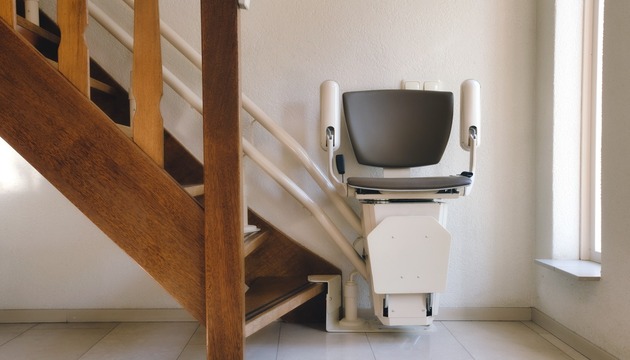
For many homeowners, installing a stairlift feels like the ultimate achievement in creating an accessible, age-friendly home. And while a stairlift can be a life-changing tool restoring independence, confidence, and safety on the stairs it shouldn’t be mistaken for the final goal. True aging in place is far more holistic. It’s about prevention, proactive awareness, and maintaining the strength and agility that allow you to keep living comfortably and confidently at home for years to come.
A stairlift solves a problem in the moment, but longevity comes from addressing the root causes of risk: changes in the body, challenges in the mind, and hazards throughout the home environment. When we shift our mindset from reactive accessibility to preventative wellness, we dramatically increase our chances of staying safe and active as we age.
Staying Active: The Foundation of Longevity:
Mobility devices are valuable, but they should complement not replace physical movement. As we grow older, muscles naturally weaken, balance becomes more challenging, and flexibility declines. None of this is inevitable, though. Consistent movement slows these processes dramatically.
A few minutes of daily activity can:
- Improve balance and reduce fall risk
- Strengthen joints and muscles
- Support heart health
- Boost energy and mood
- Preserve independence
Whether it’s walking, stretching, tai chi, light resistance training, or swimming, staying active is one of the strongest predictors of a long, independent life at home.
A stairlift should support your mobility not signal an end to it.
Know Your Body: Awareness Is Prevention
One of the biggest risks in aging isn’t weakness; it’s not recognizing changes soon enough. Risk increases when people ignore warning signs or avoid addressing challenges until they become urgent.
Key signals to pay attention to include:
- Increased fatigue when climbing stairs
- Moments of unsteadiness or dizziness
- Difficulty rising from chairs
- Reduced grip strength
- Forgetfulness or slowed reaction time
- Anxiety about falling
Awareness is empowering. When you recognize shifts early, you can adjust your routines, adapt your home, or seek support before safety is compromised.
Know Your Home: Small Hazards Add Up:
Every home has risks loose rugs, cluttered hallways, dim lighting, awkward storage, slippery bathroom flooring. Many injuries happen not because someone has poor balance, but because their home wasn’t designed to support their needs as they change.
A preventative home safety audit can identify hazards before they turn into accidents.
Questions to ask:
- Are pathways clear and wide?
- Is lighting bright enough at night and in stairwells?
- Are floors slip-resistant?
- Are grab bars installed in the bathroom?
- Is clutter under control?
- Are items stored at reachable heights?
Installing a stairlift solves stair-related dangers, but prevention means assessing the whole home with the same level of care.
Aging in Place Is a Journey Not a Single Purchase:
A stairlift is an incredible tool. It preserves energy, prevents falls, and keeps multi-story homes functional. But it should be viewed as one part of a broader strategy—one that prioritizes long-term wellness and sustainable independence.
The “end goal” of home accessibility isn’t equipment; it’s longevity.
Success in aging in place comes from:
- Staying active
- Understanding your own changing needs
- Preparing the home proactively
- Strengthening your body and balance
- Reducing risks before they become incidents
By combining thoughtful home modifications with a commitment to personal health and awareness, you create not just an accessible living space, but a resilient life.


