


Leaving the hospital can be a moment of relief—but it can also bring uncertainty. While medical care focuses on treatment, the transition back home plays an equally critical role in recovery. In fact, knowing what to expect before being discharged often outweighs many traditional communication and orientation strategies used in healthcare settings.
Why? Because the success of your recovery and your long-term wellbeing depends heavily on the environment you return to.
Before heading home, these essential questions deserve thoughtful consideration:
Am I returning to a safe environment?
Your home may not be set up to support your current mobility, health needs, or temporary limitations. Safety is the first priority.
Do I need to make changes to my home?
Even short-term injuries or post-surgical recoveries can require adjustments. Recognizing this early prevents avoidable risks.
What specific changes should I consider?
Modifications might range from small (grab bars, lighting improvements) to more significant (stairlifts, bathroom renovations, mobility aids). Clarity matters.
Who can assist in assessing my home for these changes?
Occupational therapists, home safety specialists, and aging-in-place professionals can provide expert evaluations and recommendations.
How will I finance these changes, and who will implement them?
Understanding available funding options, insurance support, and reliable installation services allows for faster, safer transitions.
How long can I remain at home with or without these modifications?
Honest planning helps you prepare for both immediate recovery and future needs as you age in place.
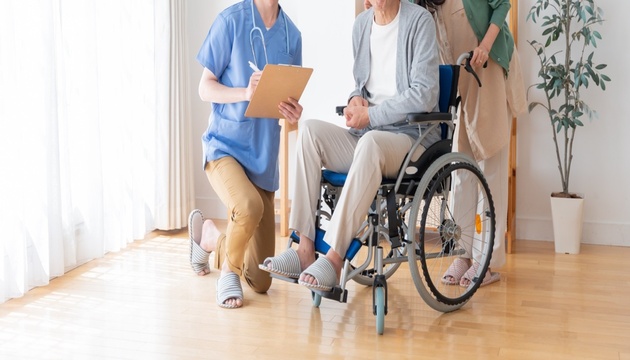
The Challenge: These Conversations Often Feel Rushed:
Healthcare professionals do their best, but hospital schedules can compress discharge planning into brief, overwhelming discussions. On the other hand, evaluating home modifications can take time sometimes weeks or months leaving individuals and families unsure of what to prioritize.
The result? Gaps that increase the risk of readmission and create unnecessary stress for patients and caregivers.
The Solution: Accelerating Insight Through Measurable Data:
To reduce preventable return visits and to support healthy aging at home, we must speed up this decision-making process with reliable, measurable data. When we understand a person’s functional abilities, home layout, and risk factors early ideally before discharge we can make targeted recommendations fast.
This proactive, data-driven approach:
- Improves safety during recovery
- Reduces hospital readmissions
- Helps individuals stay at home longer
- Simplifies complex decisions for patients and families
- Encourages long-term planning rather than crisis-driven reactions
A Safe Return Home Is Part of the Care Plan:
Discharge isn’t just about leaving the hospital it’s about entering an environment that supports recovery and long-term independence. By asking the right questions early and using data to guide decisions, we create smoother transitions, safer homes, and healthier aging outcomes.


